
Zara and its parent company, Inditex, are having a strong moment. Growth, momentum, a business finding its next gear. That comes as Zara undergoes a broader transformation – most visibly in its retail experience.
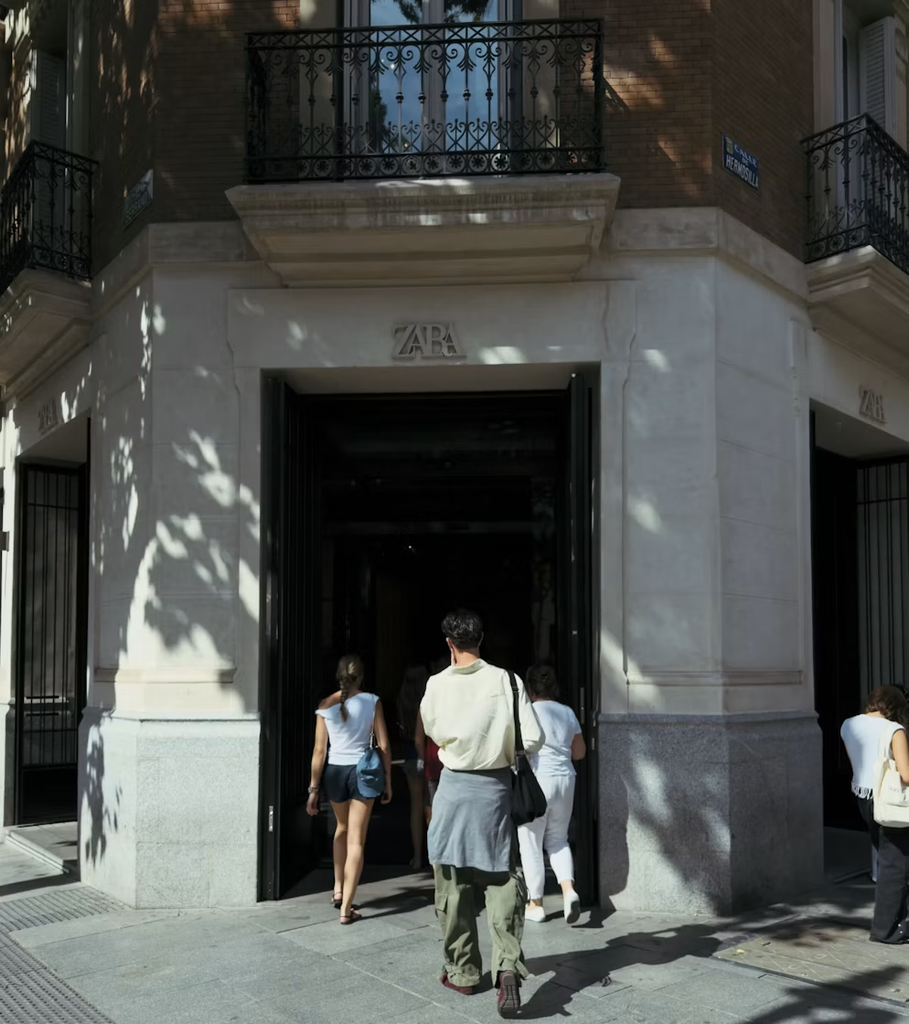
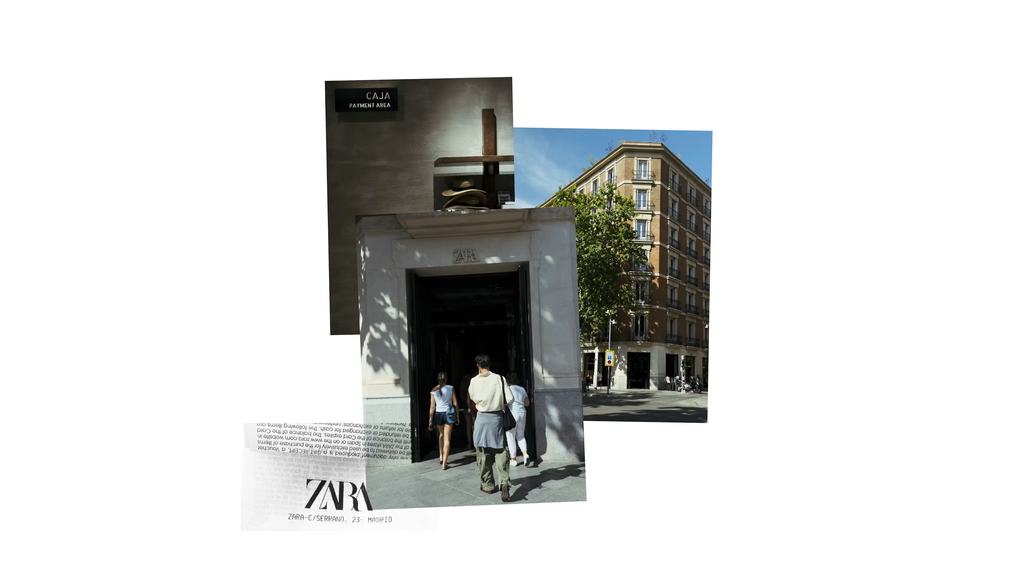
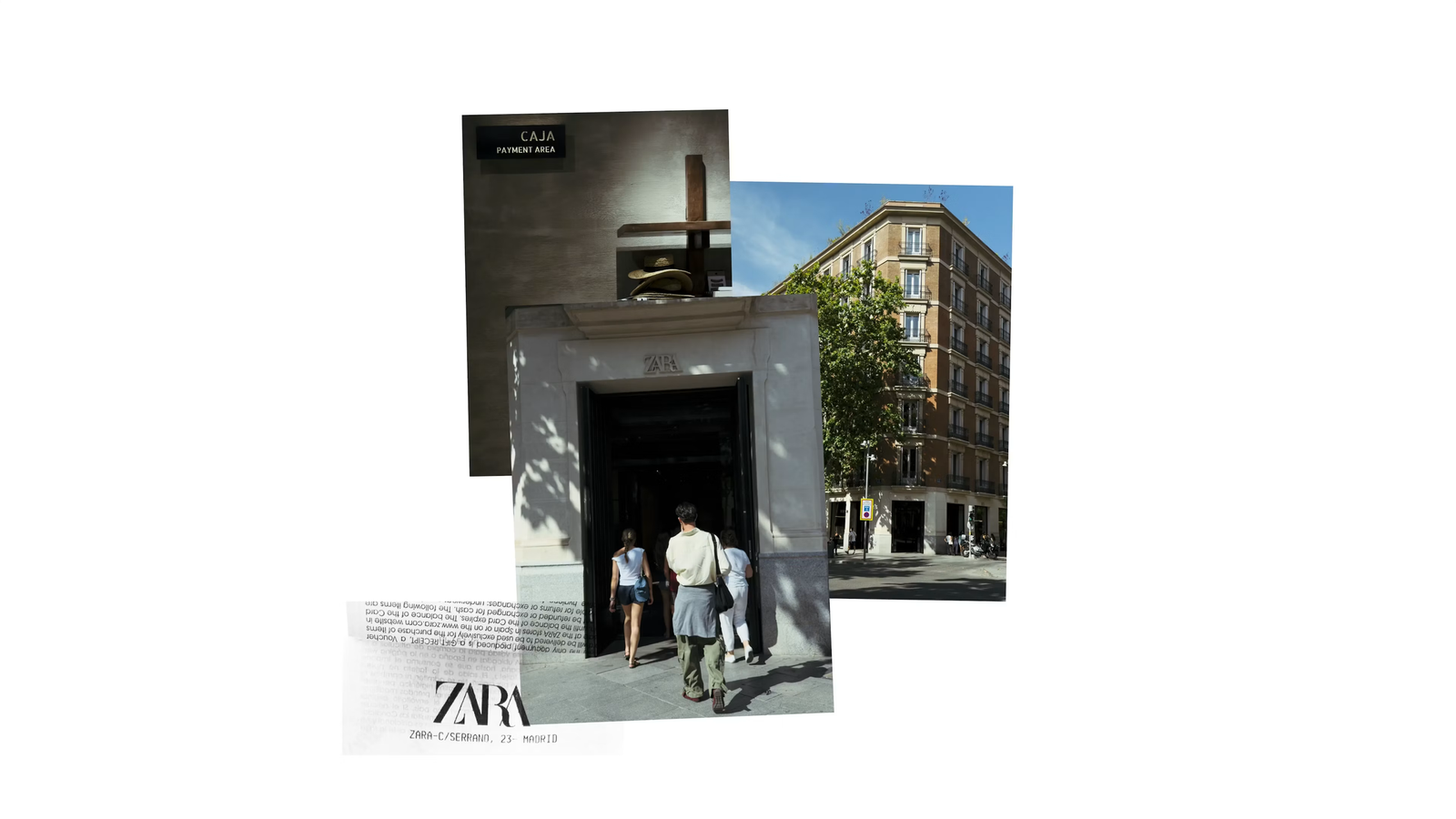
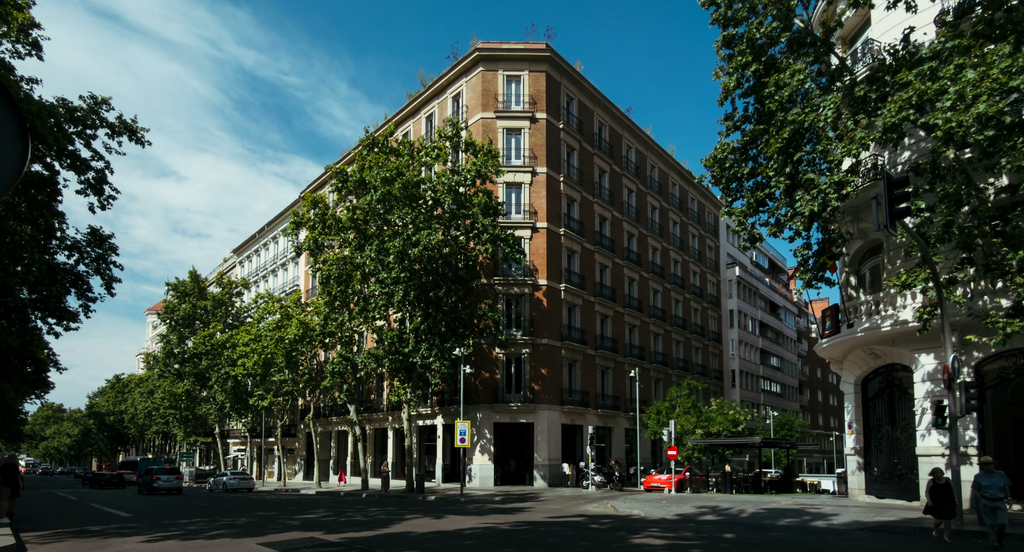
The retail giant’s new flagship stores in European capitals London and Madrid are undeniably impressive. Spacious, architectural and carefully curated, they feel more like galleries or boutique hotels than traditional fashion retail.
Alongside luxury-inspired interiors, they’re equipped with technology designed to make moving between online and in-store shopping seamless. But they also raise a question: are they still recognisably Zara?
The shift
The shift
For decades, Zara’s success was built on a promise of bringing trends to market quickly and making fashion easy to access. Its stores reflected that idea. Open layouts, visible product, intuitive navigation and constant novelty created an experience built around immediacy. You walked in, found what you wanted and moved on.
The new stores signal something different. Café concepts, hidden corners and gallery-like displays create a more atmospheric experience. The technology layer (digital services, seamless omnichannel) positions this as the brand’s next retail evolution. The question is whether the overall experience strengthens the brand or dilutes what made it distinctive in the first place.
At Saffron, we use the 5Rs framework to evaluate whether experiences reinforce a brand’s role or simply create spectacle. Viewed through that lens, Zara’s latest stores reveal a growing disconnect between experience and meaning.
Rooted in brand strategy
Rooted in brand strategy
The new stores feel distant from Zara’s traditional positioning. Where older stores prioritised visibility and accessibility, these spaces favour exploration.
Products are often tucked into smaller rooms and alcoves. The shoe department doubles as informal seating. El Apartamento, Zara’s café-retail concept, invites visitors to browse the space as they would a home.
The result is visually striking, but the connection to Zara’s historic strengths is harder to identify. The experience feels designed around aesthetics first and utility second.