
What separates the winners from the rest?
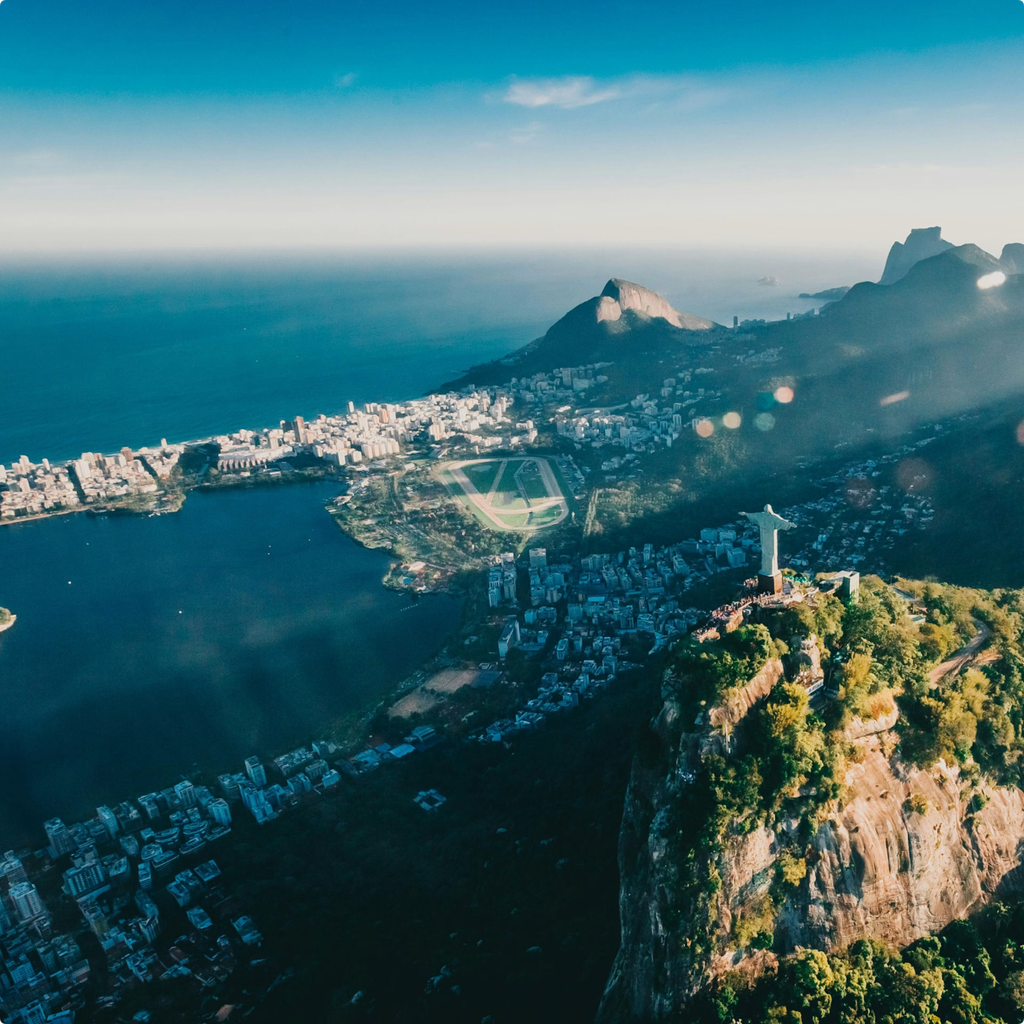
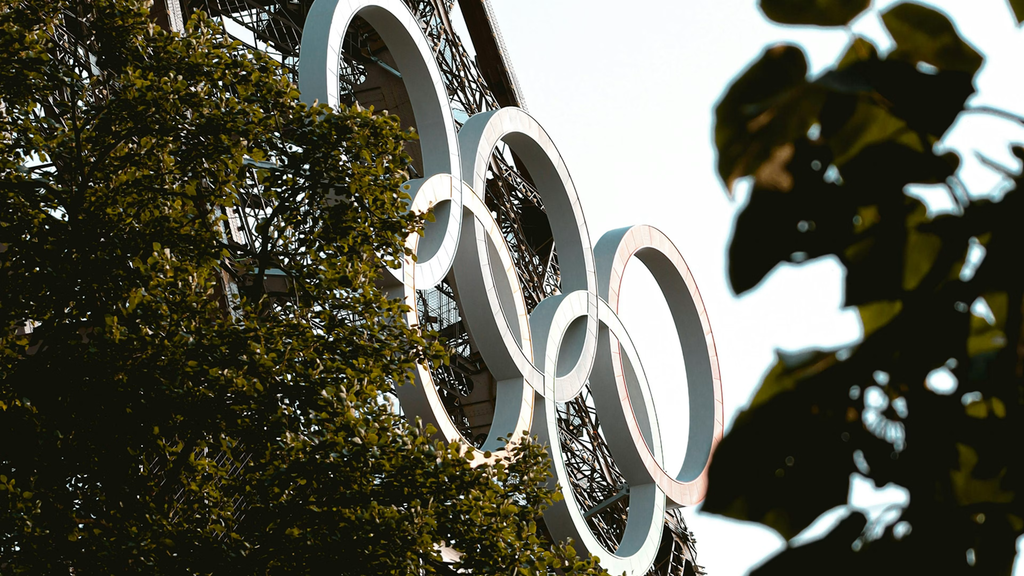
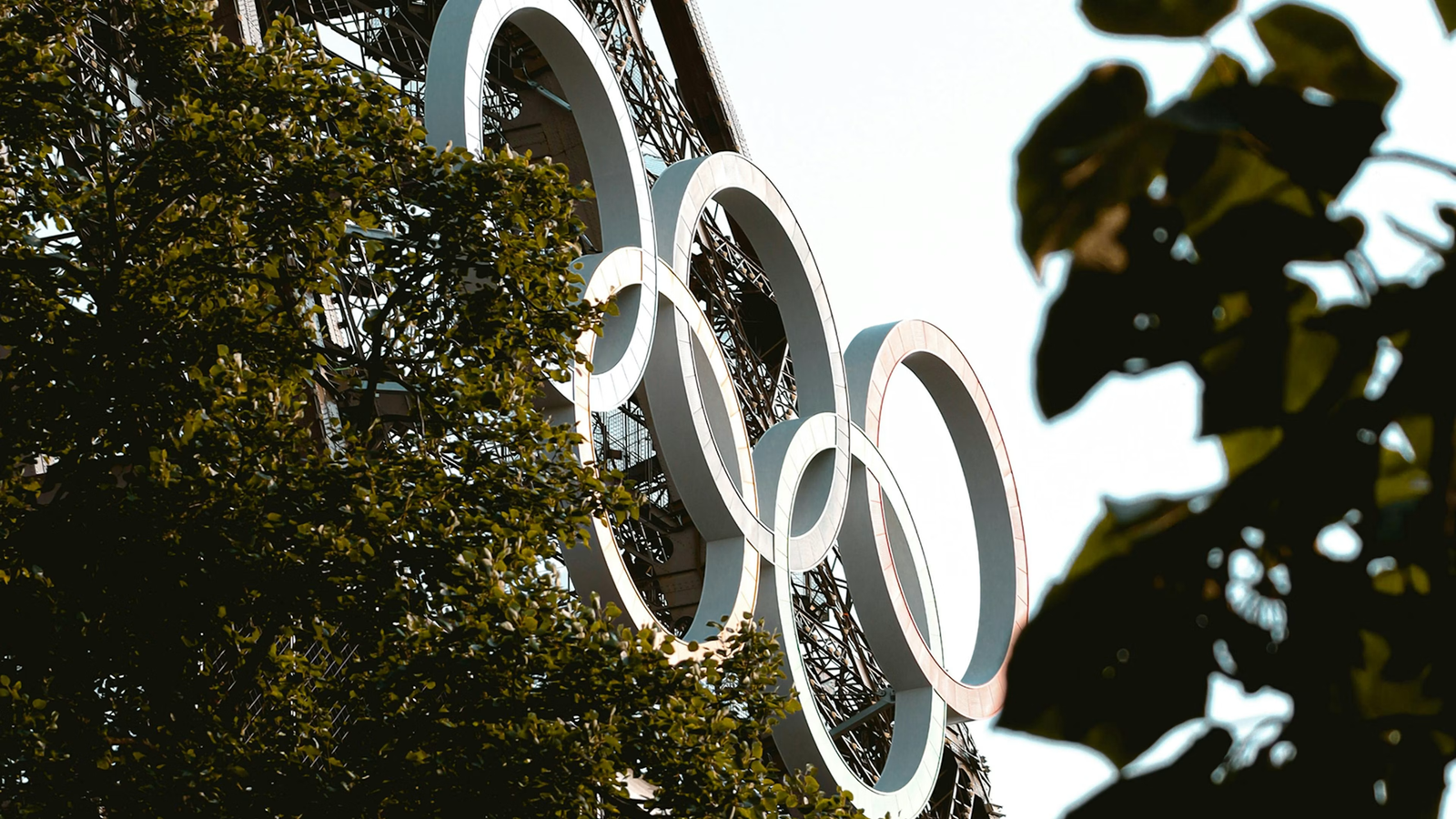
Every few years, a city steps onto the global stage. The Olympics open. A World Cup kicks off. Billions tune in. For a short time, one place that normally competes against a hundred other destinations gets to be the one everyone is talking about.
And then it stops. The cameras and the athletes go home. The volunteers get a thank-you email and a branded tote bag. What’s left after the spotlight moves on?
For cities investing billions to host international sporting events, the hope is that visibility will translate into tourism, investment and long-term reputation. Being seen will make the city more desirable.
Sometimes that works. Often it doesn’t.
What the data shows
At Blurmsngo, we built City Brand Barometer 2025 (CBB) to understand what a world-class destination brand is made of. We measured 111 global cities across three pillars:
- Promise: how a city is perceived before visiting
- Experience: what people actually encounter once they arrive
- Delivery: the infrastructure that makes tourism work
Experience carries the most weight because being famous isn’t the same as being good.
CBB doesn’t measure whether a city has hosted a mega sporting event in the past. But it does capture the structural effects that those events are supposed to create: global visibility, search demand, infrastructure quality, cultural offer and visitor satisfaction.
In other words, the research shows whether a host city successfully converted global attention into lasting brand performance.
The results are revealing.